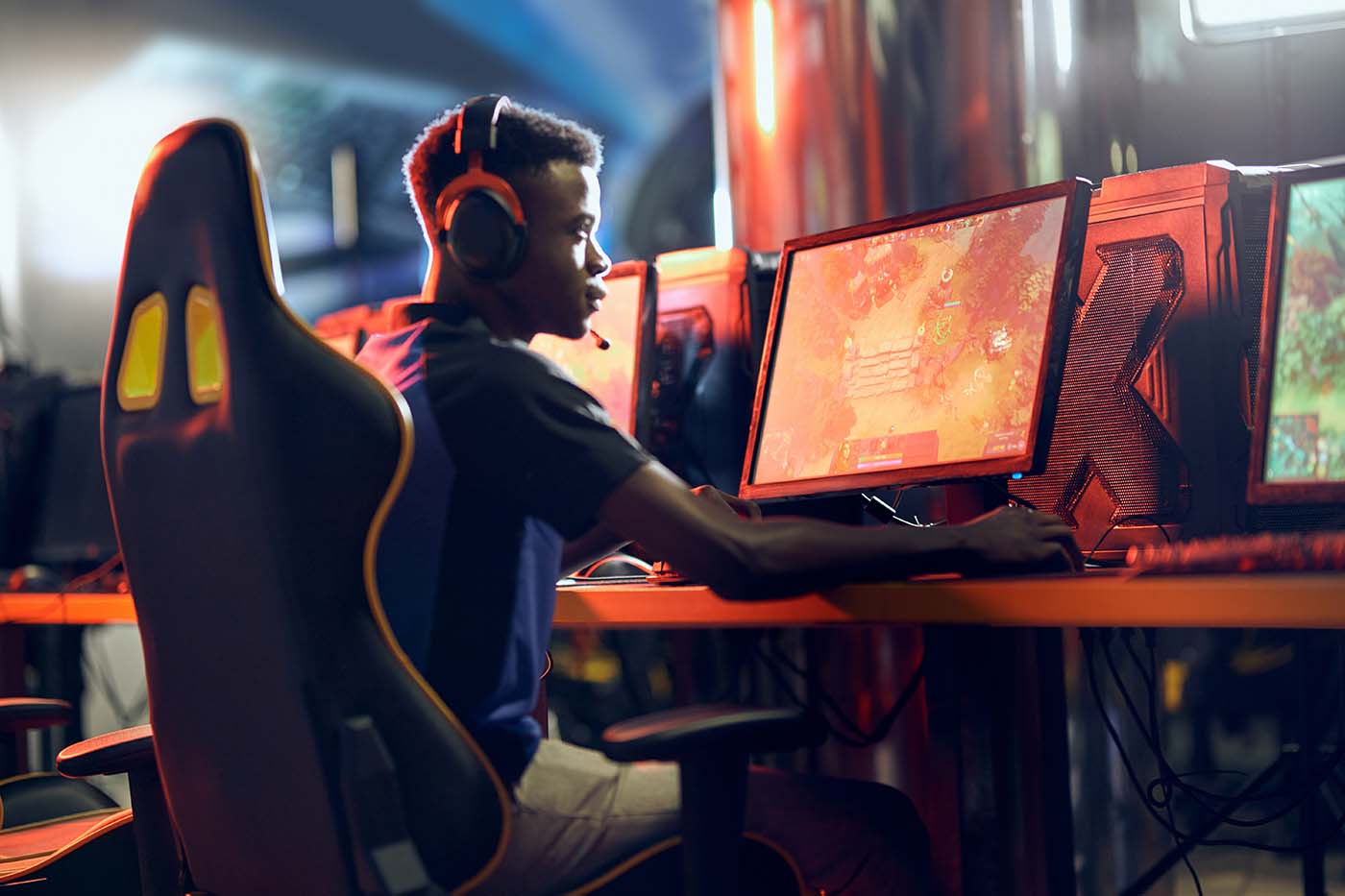
Competitive gaming has existed in some form since the earliest arcades. But what we call esports today — organised, professional, globally broadcast competitive gaming — is a genuinely modern phenomenon that has grown faster than almost anyone anticipated. If you've never quite understood what esports is or how it all fits together, this breakdown should clear things up.
What Esports Actually Is
At its most straightforward, esports refers to organised competitive video gaming. Players or teams compete in structured tournaments and leagues, often for prize money, sponsorship deals, and the kind of recognition that traditional sports careers might bring.
The scale varies enormously. At one end of the spectrum, you have local grassroots tournaments run from community centres or gaming cafes, where entry fees cover modest prizes and the atmosphere is relaxed and social. At the other end, events like The International (for Dota 2) and the League of Legends World Championship fill stadiums, attract tens of millions of online viewers, and distribute prize pools in the millions of pounds.
What makes esports distinct from simply playing games competitively with friends is structure. Proper esports has defined rules, referees, official rankings, and governing bodies. In some jurisdictions, professional players even hold recognised athlete visas.
The Games That Drive Esports
Not every game lends itself to competitive play at scale, and esports has naturally coalesced around certain titles. These tend to be games with a high skill ceiling — meaning they're easy to pick up but genuinely difficult to master — and clear, observable competitive dynamics that translate well to spectating.
Some of the most prominent esports titles include:
League of Legends (LoL) — A multiplayer online battle arena (MOBA) game from Riot Games. Two teams of five players each try to destroy the opposing team's base. LoL has one of the most developed competitive structures in esports, with regional leagues feeding into an annual World Championship.
Counter-Strike 2 (CS2) — A tactical first-person shooter where teams of five compete as either terrorists or counter-terrorists across a series of rounds. CS has had a competitive scene since the early 2000s, making it one of the oldest established esports.
Dota 2 — Another MOBA from Valve, known for hosting the world's highest-prize esports tournament, The International, which has at times exceeded £30 million in prize pool through a community funding model.
Valorant — Riot's tactical shooter that has grown rapidly since its 2020 release, with an extensive competitive ecosystem spanning regional leagues globally.
FIFA / EA FC — Electronic Arts' football simulation series has a dedicated esports circuit (the eFootball scene), which carries obvious appeal in football-obsessed countries like the UK.
How Competitive Structures Work
One of the things that can confuse newcomers is how esports competitions are actually structured. Unlike traditional sports with century-old leagues and established fixtures, esports competitions vary significantly by game and organiser. That said, there are some common patterns.
Open qualifiers are the starting point for many players. Anyone can enter — you sign up, play through a bracket, and if you win enough matches, you progress to higher rounds. These are typically held online and can have hundreds or thousands of entrants.
Regional leagues sit above open qualifiers for the major titles. Games like League of Legends and Valorant operate regional leagues in Europe, North America, Asia-Pacific, and other territories. Teams earn their place through performance and compete on a regular match schedule, similar to a traditional sports season.
LAN tournaments (Local Area Network events) bring players together physically, rather than competing online. LAN events are considered the gold standard in esports competition because they eliminate internet latency as a variable and create the kind of live atmosphere that makes for compelling viewing. Major tournaments are almost always held LAN.
World championships sit at the apex. The best performing teams from regional leagues qualify for global events where the season's best compete for titles and prizes. These events are the Super Bowl equivalents of their respective games.
Worth knowing: Most major esports games have free-to-play ranked modes where regular players can test their skills and see how they compare against the broader player base. This is very different from professional play, but it's part of the same ecosystem.
The People Behind the Scenes
Professional esports is more than just the players. Like traditional sports, there's a substantial infrastructure of support roles, commercial interests, and media coverage surrounding the competitive scene.
Coaches and analysts work with professional teams much as they do in traditional sport. They study opponents, develop strategies, review team performance data, and work with players on both technical mechanics and mental resilience. At the highest level, teams have entire coaching staffs, performance analysts, and sometimes sports psychologists.
Talent and content creators include the casters (commentators), analysts, and presenters who make esports broadcasts watchable. Good casting can genuinely elevate the experience of watching a competition — explaining what's happening, building tension, and contextualising why a particular play is so impressive.
Team organisations function like clubs. Names like Team Liquid, Fnatic, NaVi (Natus Vincere), and Cloud9 operate across multiple game titles, employing players, managing contracts, signing sponsors, and building brand identities. Many organisations have significant commercial interests beyond the game itself.
Tournament organisers include both the game developers (who often run their own official circuits) and independent third-party event companies. ESL, BLAST, and PGL are among the most well-known independent tournament organisations.
The Business of Esports
Esports is a commercial industry, which means understanding it requires understanding how it makes money. The primary revenue streams include sponsorships, broadcast rights, merchandise, ticket sales for live events, and in-game revenue sharing (where developers direct a portion of cosmetic item sales towards prize pools).
Sponsorship is the dominant revenue driver for most teams and events. Technology companies — hardware manufacturers, peripheral brands, energy drink companies — are among the most consistent sponsors, given the obvious alignment with the gaming audience.
It's worth noting that the esports industry has faced financial pressures in recent years. Several high-profile team organisations have scaled back, franchise league systems have proven more complicated than anticipated, and turning a reliable profit in esports remains challenging for many organisations. The industry is still maturing, and its commercial structure is continuing to evolve.
How to Follow Esports as a Fan
If you want to start following esports, the best place to begin is with a game you already play or understand. Watching competitive play of a game you're familiar with is far more engaging than trying to follow a game you've never touched.
Most major esports competitions are broadcast live on Twitch and YouTube. Riot Games and Valve both have official channels for their respective competitive scenes, and these broadcasts are generally well-produced and accessible to newcomers.
For following news, results, and analysis, sites like Liquipedia (a wiki-style database of tournament results and player histories) and game-specific subreddits provide comprehensive, community-driven coverage. Liquipedia in particular is an extraordinary resource — the level of detail it maintains across dozens of esports titles is impressive.
Esports and Traditional Sport
The comparison between esports and traditional sport comes up constantly, and it's worth addressing directly. Esports isn't trying to replace football or cricket — the two exist in different spaces and scratch different itches. But the comparison has merit in certain respects.
The dedication required to compete at the highest level in esports is genuine. Professional players train for hours every day, manage physical health (repetitive strain injuries are a real concern), study strategy, and perform under significant competitive pressure. The idea that esports isn't "real" competition doesn't survive contact with what professional play actually involves.
At the same time, esports has its own culture, conventions, and community that are distinct from traditional sport. The best way to understand it is on its own terms, rather than constantly measuring it against football or athletics.
Good starting point: Pick one game you're curious about — even if you've never played it — and watch a single tournament match. With a small amount of context, competitive gaming is genuinely thrilling to follow.
The UK Esports Scene
The United Kingdom has a growing esports presence. British players have featured prominently in several major titles, and organisations based in or affiliated with the UK — including Fnatic, which was founded in London — have long been significant players in the global scene.
UK universities have developed esports programmes and competitive student leagues, and local grassroots events take place regularly in cities including London, Manchester, and Birmingham. The British Esports Association works to support and develop competitive gaming at all levels, from school-age players to professional tier.
Following esports in the UK has never been more accessible, and the scene continues to develop — both in terms of player development pathways and audience engagement.